 For Coloring Pages
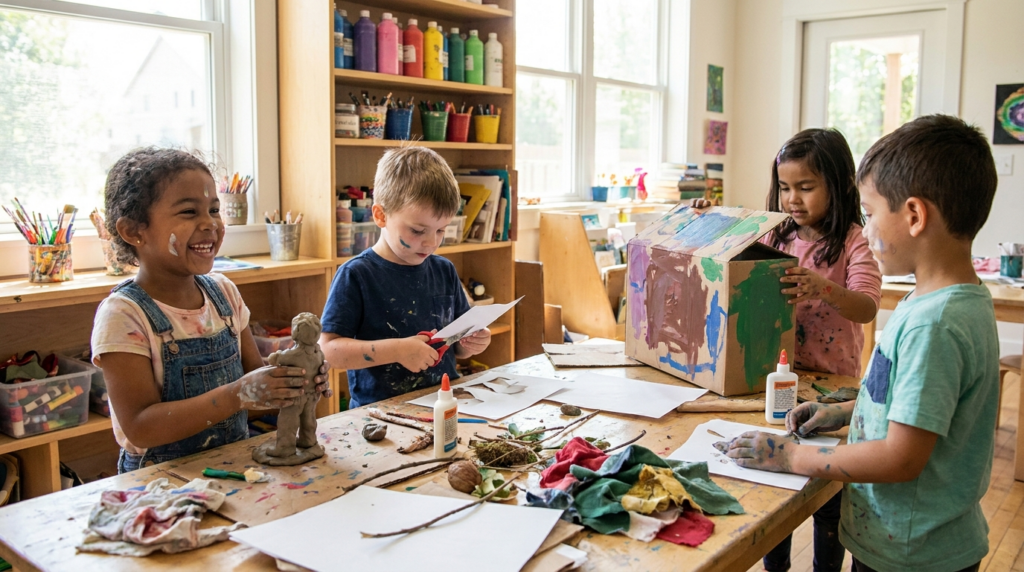
“Mum, I’m bored” doesn’t have to end with a cartoon on the tablet. Screen-free play develops imagination, hand skills and patience better than apps – and it often needs nothing more than what you already have at home. Below is a set of creative ideas for kids, organised so you can grab one at any moment.
Contents
- Why limit screen time?
- Creative screen-free activities
- How to respond to “I’m bored”
- How to match activities to age
- Frequently asked questions
Key points
- Boredom is OK: creativity is born from it – don’t fill every moment with a screen.
- Less is more: the best games use simple materials: paper, boxes, crayons.
- Open-ended play: activities without one “right” result develop imagination the most.
Why limit screen time?
A screen delivers quick, ready-made stimulation – the child doesn’t have to come up with anything. Offline play works the other way round: it needs an idea, a plan and patience, so it trains imagination, attention and hand skills. It’s not about a total ban but about balance – the younger the child, the more they should play “for real”.
Creative screen-free activities
- Cardboard building: boxes become a garage, a castle or a ship.
- Puppet theatre: paper or sock characters and a story of your own.
- Obstacle course: made of cushions and chairs in the living room – movement and planning.
- Drawing and collage: from scribbles to home-made comics and posters.
For rainy afternoons, it’s worth having a stack of pictures to draw and cut out – download them from our printable coloring pages and use them for collages, puppet shows or posters.
How to respond to “I’m bored”
Don’t jump straight in with a suggestion – or a tablet. Boredom is the space where ideas are born, so give your child a moment. An “idea jar” helps: slips of paper with activities that the child draws at random. A permanent corner with materials (paper, crayons, boxes) that the child can reach on their own works well too.
How to match activities to age
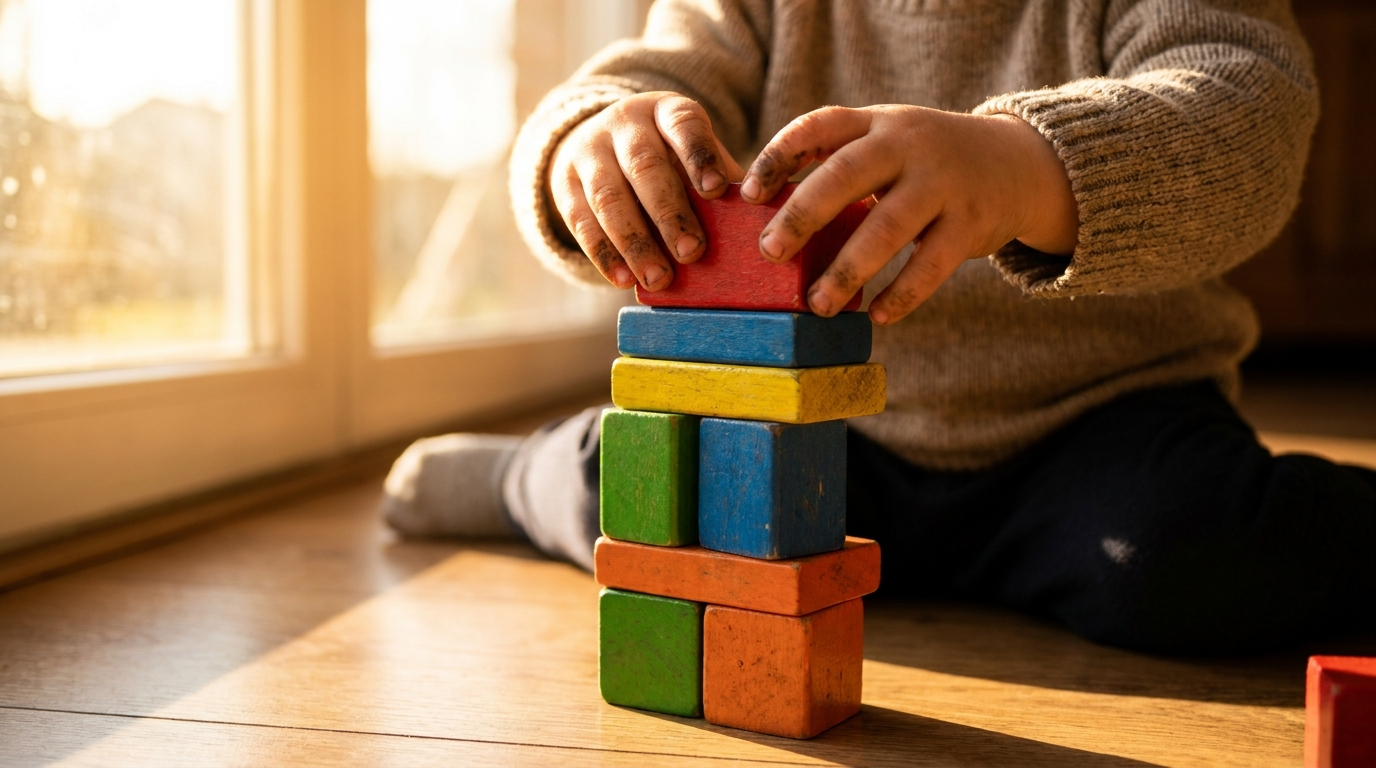
Give the youngest sensory play and simple building. Preschoolers love role play (puppet shows, “playing shop”) and making things. Older children enjoy multi-step projects: their own board game, a comic or a model. The older the child, the more independence and the longer the project.
Frequently asked questions
How much screen time should a child have?
The younger the child, the less – for the youngest, screen time is best kept to a minimum. Rather than counting minutes, make sure active and shared play takes up most of the day.
How can I keep a child busy without a screen while travelling?
Word games (“I spy with my little eye…”), small coloring books, stickers and stories made up in turns work well. They need no space and no tidying up.
My child can’t play alone – what should I do?
Start the game together and gradually step back. Give access to simple materials and allow some boredom – independent play is a skill that grows over time.
Summary
Screen-free play develops imagination and skills better than apps, and it usually needs only simple materials. Allow boredom, set up an idea corner and match the activities to your child’s age. Download pictures to draw, color and cut out for any occasion from our printable coloring pages.