 For Coloring Pages
Concentration is a skill, not a gift – children learn it gradually, and we can help. Short, repeated exercises really do lengthen focus time and make learning easier. Below is a ready-made set of concentration games for home and the classroom, with rules that help keep attention for longer.
Contents
- How long is a child’s attention span?
- Concentration exercises – ready-made games
- How to create conditions for focus
- How to use this in class
- Frequently asked questions
Key points
- Realistic time: a child’s attention lasts roughly as many minutes as they are years old – don’t expect more.
- One stimulus: fewer distractions = longer focus. Clear the table before the task.
- To the end: finishing a simple task trains perseverance better than a long, hard one.
How long is a child’s attention span?
As a rough guide, focused attention lasts about as many minutes as the child is old: a 3-year-old 3–5 minutes, a 6-year-old 6–10. That’s natural and it varies – depending on tiredness, hunger and whether the task is interesting. So instead of demanding “sit still longer”, it’s better to lengthen the time gradually in small steps and finish on a success.
Concentration exercises – ready-made games
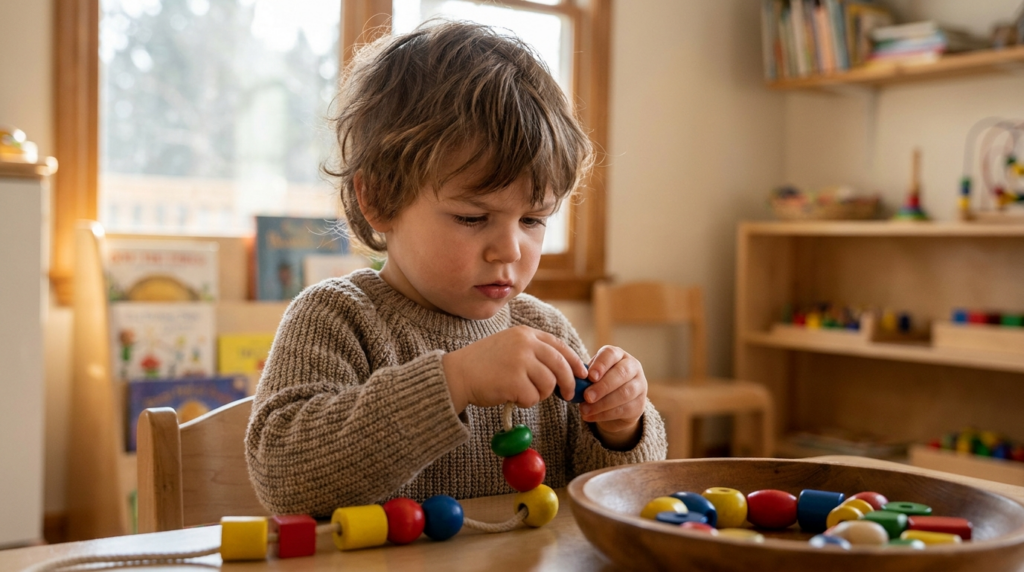
- Threading: beads on a string – a classic that combines focus with hand precision.
- Sorting: arranging by colour or shape trains attentiveness and organisation.
- Spot the difference / mazes: eye–hand tasks keep attention on one goal.
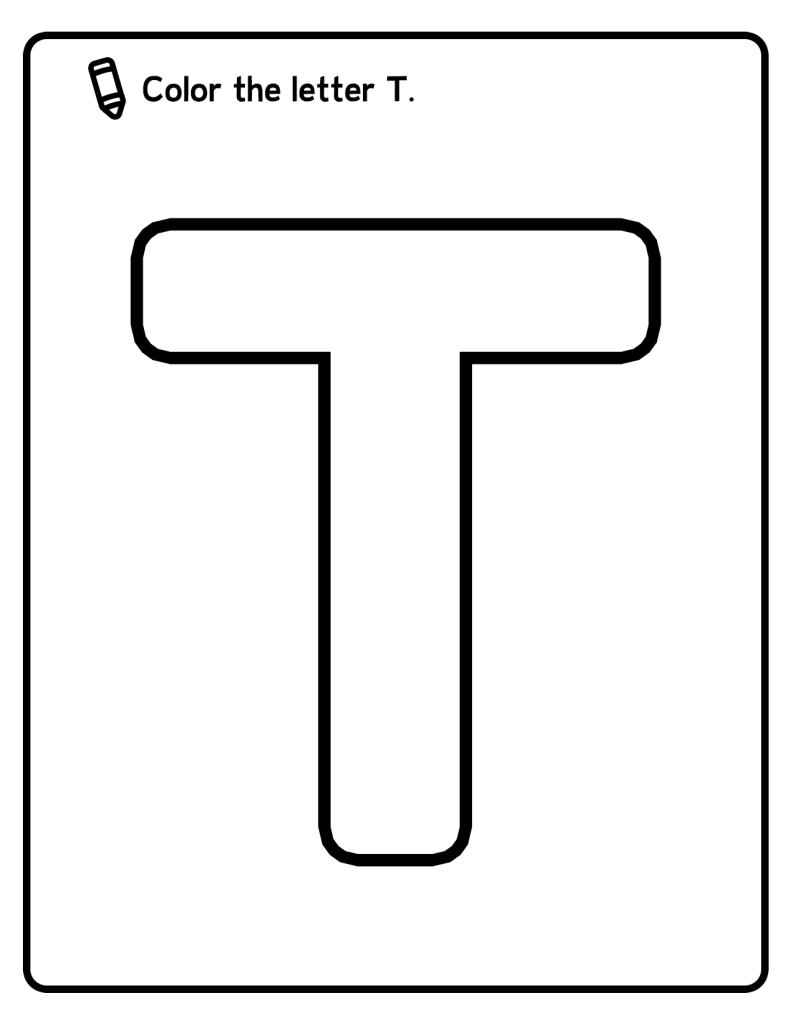
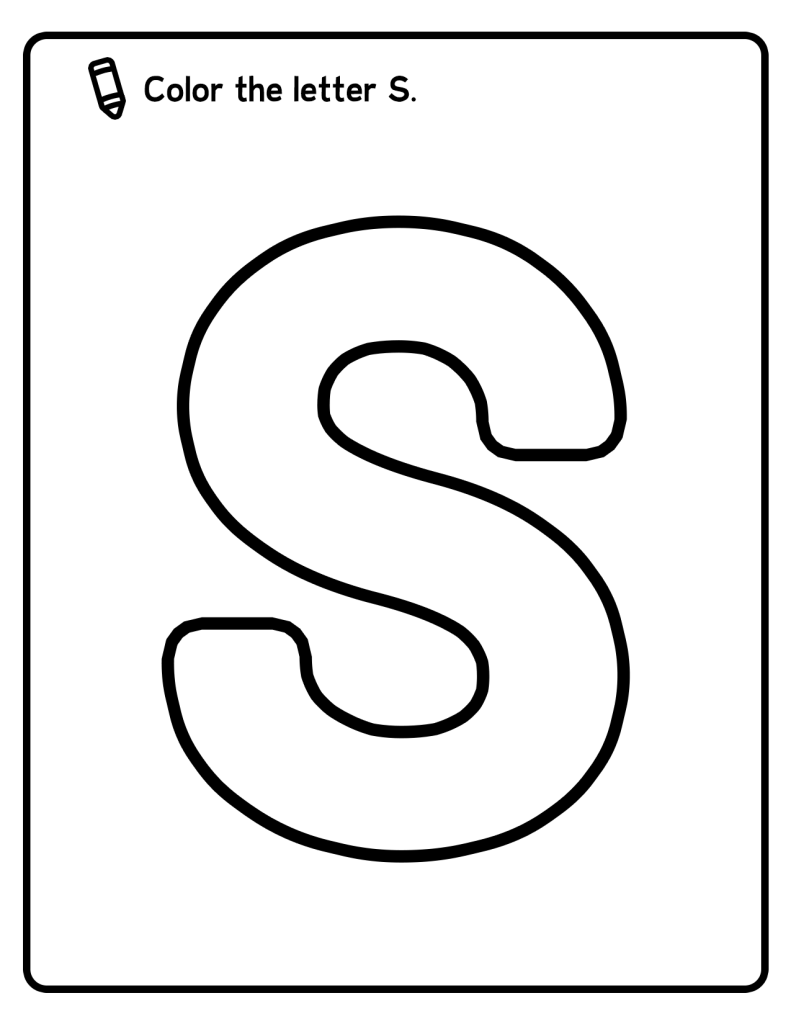
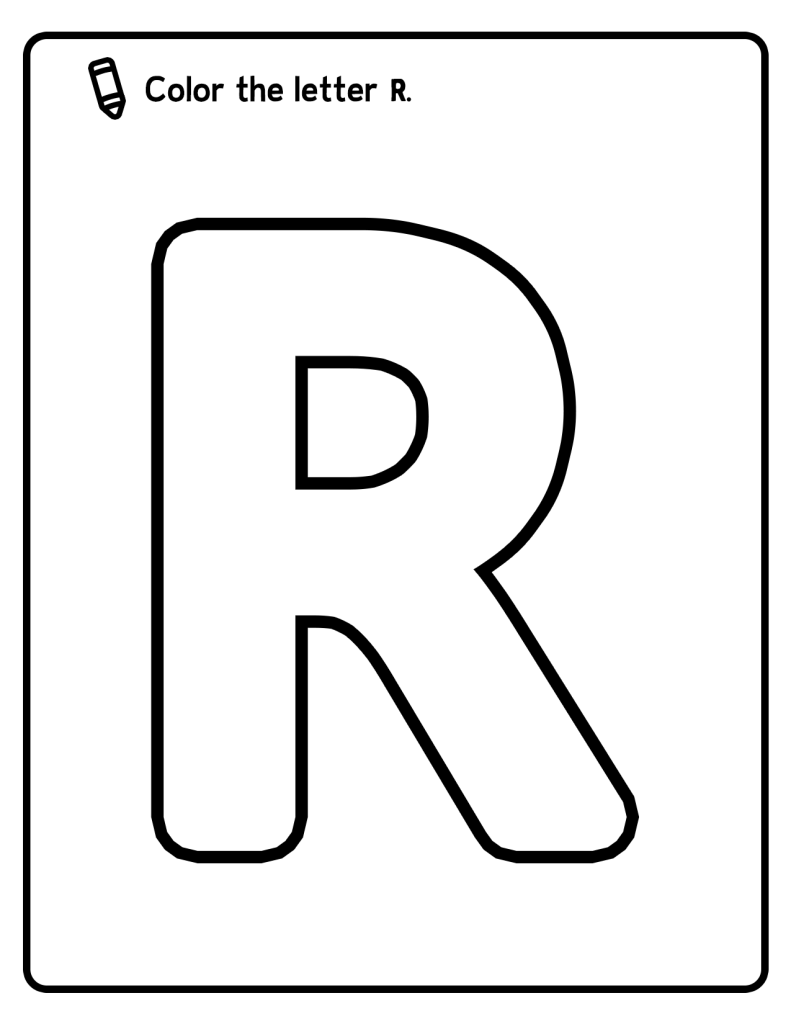
- Coloring inside the lines: staying within the outline needs steady, calm attention.
Mazes, spot-the-difference puzzles and outlines for calm coloring are ready-made attention exercises – download them from our printable mazes and educational coloring pages.
How to create conditions for focus
Focus is helped by order: one set of things on the table, the TV off, a regular time. Introduce the task briefly and concretely (“we’ll thread the beads until we’ve made a necklace”). Take movement breaks between tasks – that isn’t wasted time, it’s what lets attention come back. Praise finishing, not speed.
How to use this in class
Plan shorter blocks and alternate them with movement. Attention tasks (mazes, sorting) work well as a calm start to a lesson or a wind-down after movement. Prepare sheets at several difficulty levels so each child works at their own pace – that keeps the whole group engaged.
Frequently asked questions
My child gets distracted quickly – is that a problem?
A short attention span is normal in young children. But if focus is clearly shorter than in their peers and makes everyday life difficult, it’s worth consulting a specialist.
Do screens help concentration?
Fast screen stimuli tend to shorten attention for calm tasks. Hands-on activities that need patience, like threading or sorting, work better.
How can I lengthen focus time?
Add a minute at a time to a familiar task and stop before your child loses enthusiasm. A success at the end builds the wish for the next, longer try.
Summary
Concentration is built with short tasks, an orderly environment and praise for finishing. Threading, sorting, mazes and coloring inside the lines make a ready-made set of attention exercises. Download printable sheets from our educational coloring pages.
Printable coloring pages – Educational
Below are three free coloring pages from this category. Click a picture to open the coloring page and download it for printing.